

DO YOU WANT TO BE WELL
Awareness is not the same as surrender.
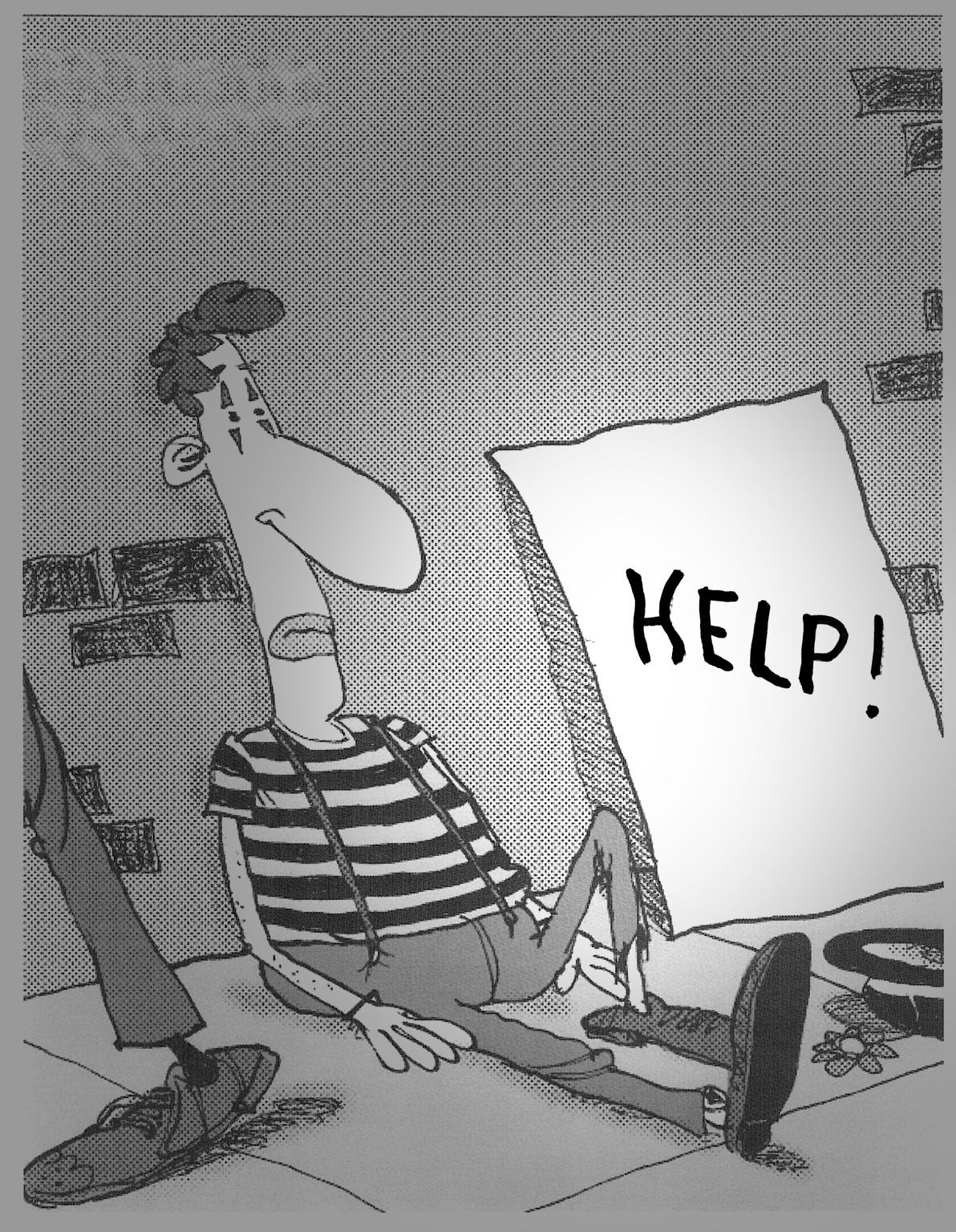
A man on the sidewalk. A sign that says one word. And a foot walking past it without breaking stride.
This image stopped me.
A man on the sidewalk. A sign that says one word — HELP. And a foot walking right past it.
No pause. No acknowledgment. Just exit.
That’s not a cartoon. That’s Tuesday.
People rarely know what’s happening inside you. Sometimes you’re not sure you know either.
How about you?
DEDICATION
To Jesus — who asks questions that expose what we avoid.
To Marty — who has never confused sympathy with truth.
To the men who chose recovery instead of excuse.
And to you, the reader — if you are standing at a moment where help is visible.
SCRIPTURE
“When Jesus saw him lying there, and knew that he already had been in that condition a long time, He said to him, ‘Do you want to be made well?’” — John 5:6 (NKJV)
THE HOOK
It was my first domestic violence call.
High risk.
Repeat address.
The kind deputies are warned about early.
Training explains procedure.
It does not prepare you for reality.
The husband was an alcoholic.
Every prior call had ended the same way.
He admitted he needed help.
He said he knew he had a problem.
He did not want it.
THE STORY
When I arrived, he was lying on the ground.
White T-shirt.
Light khaki pants.
Unresponsive.
At first glance, it looked like someone had taken a red marker and dotted his body with hundreds of tiny stars.
It wasn’t ink.
It was blood.
The weapon was a Phillips-head screwdriver.
His wife had stabbed him repeatedly.
Hundreds of puncture wounds.
She was seated calmly in a chair.
Holding a red push-button wall phone.
No hysteria. No chaos.
Just stillness.
As if something long delayed had finally collapsed.
I asked her why.
She said he wouldn’t run the vacuum the way he was told to.
Despite the number of wounds, none struck a vital organ.
He survived.
Months later, I learned the outcome.
He went to rehab.
She went to jail.
Two lives permanently altered.
And one truth burned into me.
THE MOMENT
Addiction does not stay contained.
It spills.
THE TURN
Help does not heal unless it is wanted.
Years later, I read these words and the pavement and the pool became the same place in my mind.
Jesus stood at the Pool of Bethesda.
The place was crowded with the sick.
A man had been lying on a mat for thirty-eight years.
Waiting.
Blaming timing.
Blaming competition.
Blaming circumstance.
Jesus did not discuss theology.
He asked a question.
“Do you want to be made well?”
Not can I heal you.
Not do you believe in healing.
Do you want it?
Because awareness is not repentance.
Admission is not surrender.
And sympathy is not transformation.
The man on the mat.
The man on the pavement.
Different locations.
Same question.
THE DRIFT
There is a voice that keeps a person on the mat.
I’ve tried before.
Nobody understands what I’m dealing with.
I’ll get to it when things settle down.
That voice sounds like honesty.
It isn’t.
Honesty moves toward the answer.
This voice circles the question.
There is a kind of awareness that looks like progress on the outside —
but is just the old condition wearing a thoughtful coat.
Naming the problem.
Describing the problem.
Discussing the problem.
Without ever surrendering it.
There is a version of the mat that looks like success from the outside.
Producing. Achieving. Checking every box.
Reaping every visible benefit.
And still arriving home to a container no one around you could fill.
Going through the motions of a life that looked whole —
while something at the depth of your soul went unmet.
The fulfillment you were chasing was never in the room.
It was never in the people you chose.
It had to come from within.
God showed me that.
After years of wandering through the forest of decisions and consequences —
He showed me.
The mat becomes familiar.
And familiar becomes comfortable.
And comfortable becomes a choice.
I know. Because I performed it. For years.
THE REFLECTION
I learned early that environments shape people —
but they do not excuse them.
I saw what substance abuse does.
What anger does.
What entitlement does.
What unrestrained appetite does.
I also saw what happens when a man says —
“I know I need help.”
But refuses the next step.
God does not negotiate with the mat.
He commands movement.
That question still echoes across every season of my life.
Do you want to be made well?
Because if ignored long enough — help stops being a plea.
And becomes a consequence.
The man on the pavement survived.
But surviving is not the same as being made well.
Only one of those requires an answer.
WALKAWAY LINE
Awareness gets you to the pool. Surrender is what gets you up from the mat.
SOMETHING TO THINK ABOUT
Where is the mat you refuse to leave?
MY PRAYER
Heavenly Father,
Do not let me confuse knowing with obeying.
Guard me from agreement without action.
When You expose what must change —
give me courage to rise.
Not slowly.
Not partially.
But fully.
I do not want relief without transformation.
I want to be made well.
In Jesus’ name, Amen.
“When Jesus saw him lying there, and knew that he already had been in that condition a long time, He said to him, ‘Do you want to be made well?’” — John 5:6 (NKJV)
ABOUT G~
G~ writes from lived experience — exploring identity, authority, and time through the lens of faith, trial, leadership, and surrender. His reflections are not meant to condemn or hype, but to steady. Rooted in covenant, forged through adversity, and anchored under the authority of Jesus Christ, his work invites readers to examine who governs their lives — and to live intentionally under truth.
If what you’ve read resonates with your journey, feel free to reach out.
G~
Absolutely, yes — but you have to be willing to face what’s waiting on the other side of “through.” Thanks, BK~
“Where there is a will, there is a way” sometimes the will is so Beaten down it’s hard to find that last bit of strength to climb out. Sometimes one is waiting to be rescued. Sometimes one finds Jesus in that very pit, and see’s the possibilities. Most pray when life seems hopeless, and in those times there might be salvation, which gives some purpose to a life, and one can move forward with new understanding. The other side of “through” is an unknown scary place which takes courage to walk, and time. It’s not an immediate resolve, which in itself makes it difficult to start. “This too shall pass” with time, you have moved forward or you stayed, either way the same amount of time has passed.